
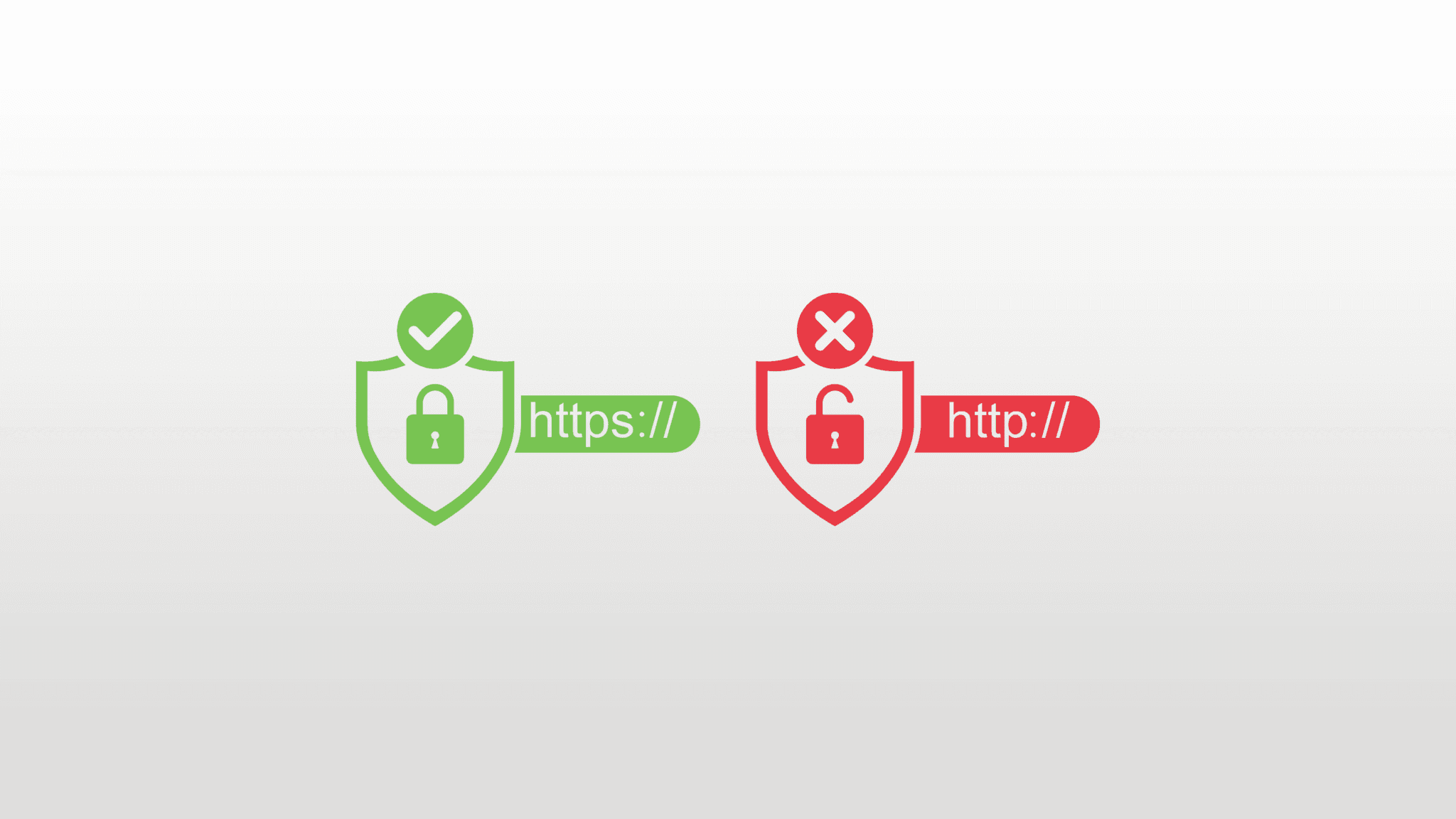
The SSL protocol is a cryptographic standard that secures online communication through an encrypted connection between a client (a web browser, for example) and a server. The protocol was later succeeded by TLS (Transport Layer Security). The term "SSL" is still often used generically to describe both protocols.
The SSL protocol provides a secure way of transferring data between two parties, using encryption to protect information against interception and malicious tampering.
- Handshake. Before any data is transferred, the client and the server carry out a handshake in order to establish the encryption and authentication parameters. This includes negotiating cryptographic algorithms, exchanging keys and verifying digital certificates for authentication.
- Data encryption. Once the handshake is complete, the data sent between client and server is encrypted, which means it is encoded into a format that is unintelligible to anyone intercepting the communication without the corresponding key.
- Authentication. SSL makes it possible to verify the server's identity through digital certificates. This process stops attackers from creating fake websites that pass themselves off as legitimate ones.
- Data integrity. SSL protects data against tampering while it is being transmitted. Any change to the data during transfer results in an error being detected, and the connection is closed automatically in order to prevent potential attacks.
- Data confidentiality. SSL/TLS encrypts the data transferred between users and the server, preventing third parties from intercepting and reading sensitive information. This matters above all for personal data such as passwords, credit card numbers or financial details.
- Authentication and trust. The SSL/TLS protocol enables server authentication, assuring you that you are connecting to the correct site and not to a fake one set up by attackers. This helps prevent "Man in the Middle" attacks.
- Protection against data tampering. SSL/TLS ensures data integrity, so that information cannot be modified or altered during transfer. This protects against attacks in which data is corrupted in transit.
- Compliance with security regulations. In many jurisdictions and industries, using the SSL/TLS protocol is mandatory.
The SSL protocol (and its successor, TLS) plays a vital role in securing online communication. It protects data and strengthens users' trust in the digital environment.